Skip to content
The Library and Learning Center will be closed Friday, July 3rd for Independence Day.
Learning Resources
Play

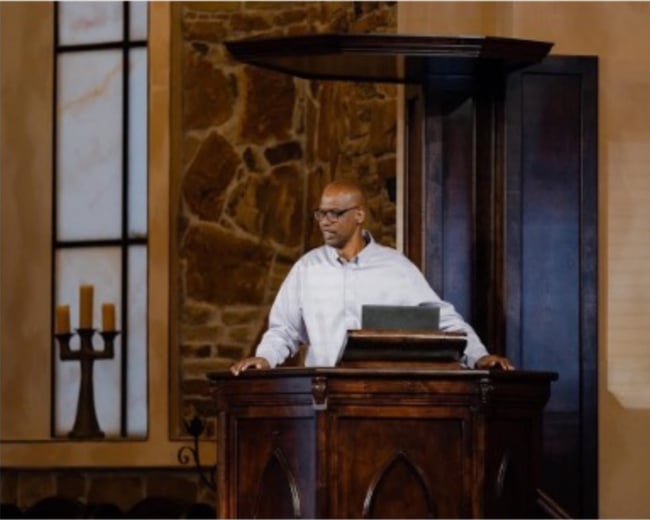
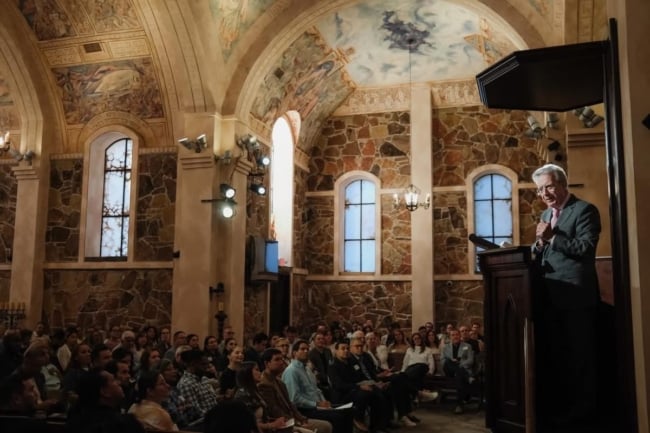
The Scribes of Qumran with Emanuel Tov

Lecturer

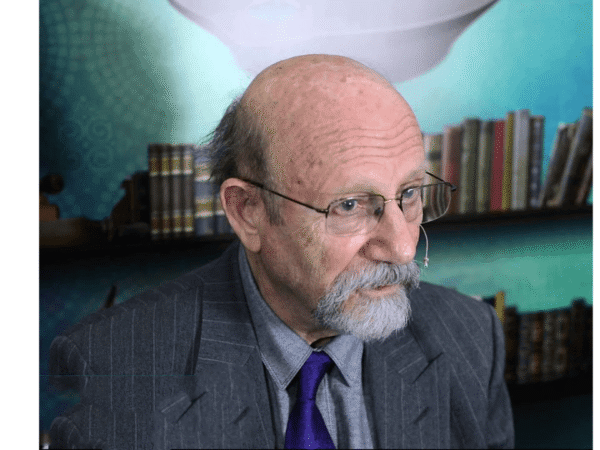
Profesor Emanuel Tov

Emanuel Tov is an Israeli biblical scholar and emeritus professor at the Hebrew University of Jerusalem, best known as the longtime editor-in-chief of the Dead Sea Scrolls Publication Project. He is widely regarded as one of the world’s leading authorities on the textual criticism of the Hebrew Bible and ancient biblical manuscripts, especially the Dead Sea Scrolls, and has published numerous books and articles that are foundational in the field.
CV
Panel

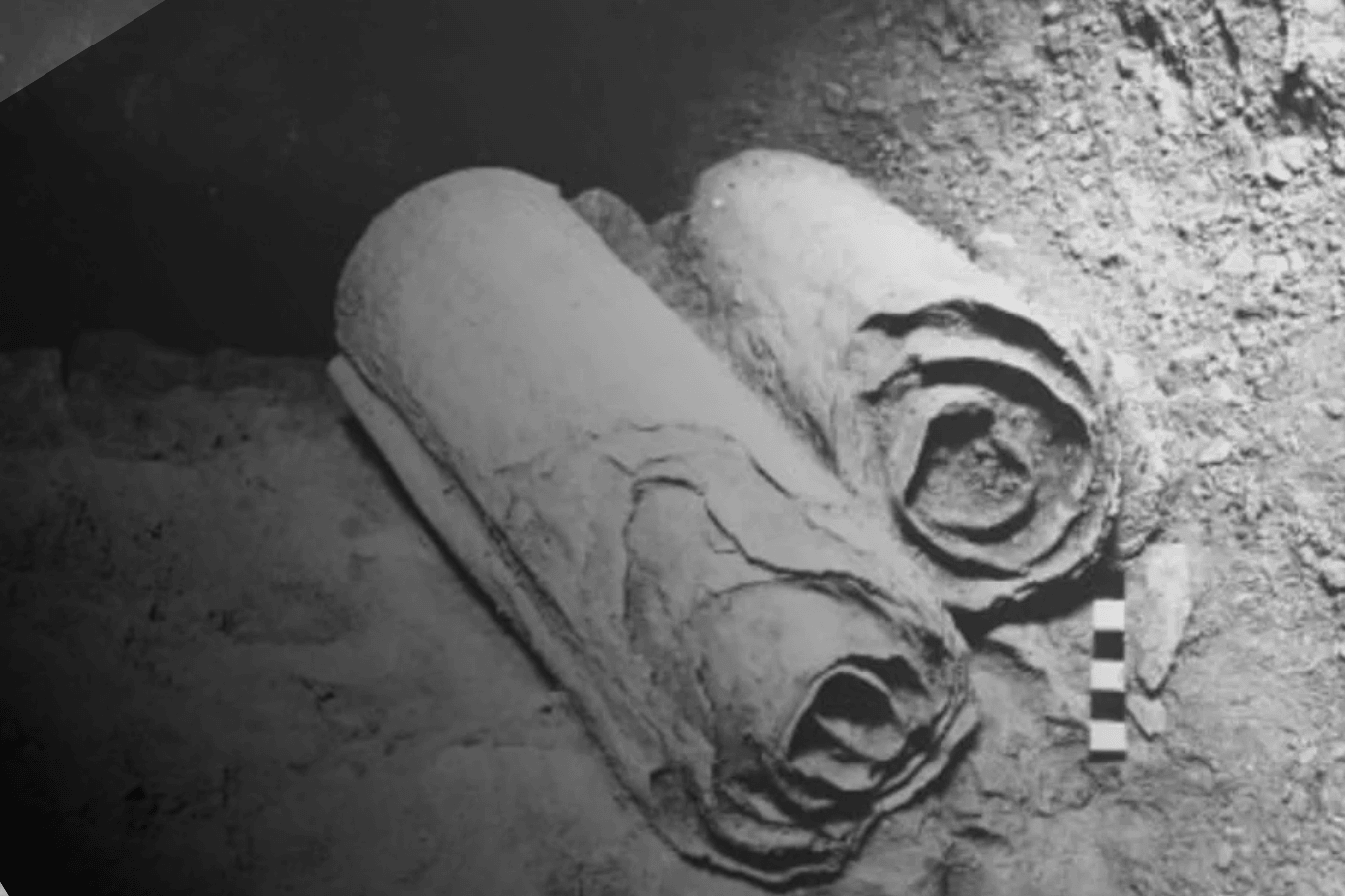
The Nature of the Corpus of Texts Found in the Judean Desert

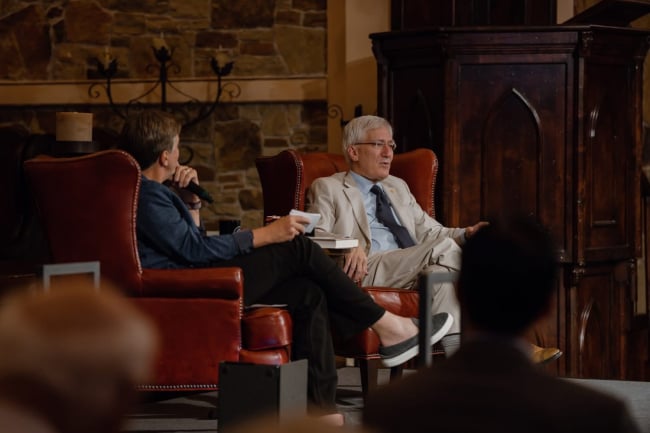
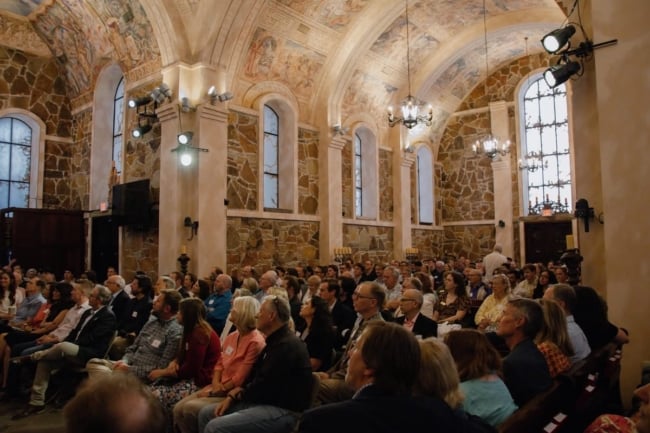
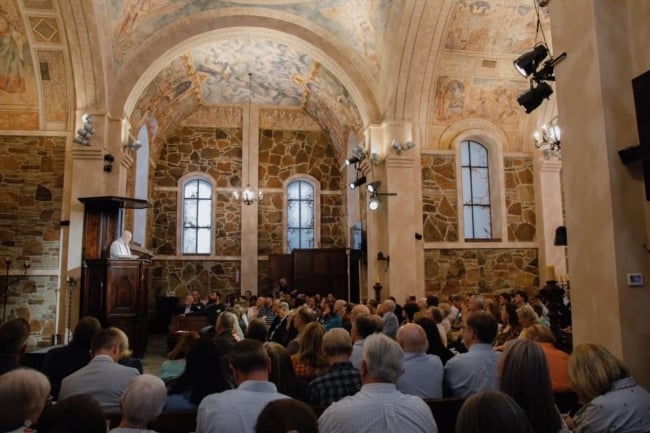
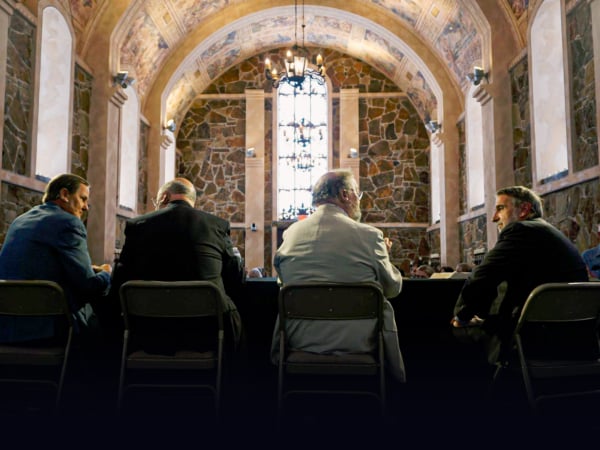
This video features a scholarly panel discussion on “The Nature of the Corpus of Texts Found in the Judean Desert,” a topic centered on the Dead Sea Scrolls and related manuscript discoveries. The panel brings together leading experts in biblical studies and ancient manuscripts:

Dr. Emanuel Tov , Dr. William Schniedewind, Dr. Donald W. Parry, Mark Lanier

During the session, the panel explores the scope, diversity, and historical significance of the corpus of texts discovered in the Judean Desert, discussing how these manuscripts illuminate ancient Jewish thought, scriptural transmission, and the broader cultural setting of Second Temple Judaism. This discussion is both scholarly and accessible, offering context for why these ancient writings matter for biblical studies and history.

About the Panelists

— Emeritus Professor of Bible, Hebrew University of Jerusalem, and a foremost authority on the Dead Sea Scrolls.

— Professor of Biblical Studies and Northwest Semitic Languages at UCLA, contributing insights into the linguistic and cultural context of the texts.

— BYU professor specializing in Hebrew Bible and Dead Sea Scrolls, offering expertise on textual content and preservation.

— Moderator, attorney, theologian, and founder of the Lanier Theological Library, guiding the conversation and framing key questions.

Discover more

1:07
C. S. Lewis: His Significance For Personal Faith and the Ministry of the Church
Ft. Alister McGrath

C. S. Lewis is widely regarded as one of the most important and accessible Christian writers of recent year. In this lecture, Professor Alister McGrath of Oxford University will speak on how Lewis can help us consolidate and develop our personal faith and resource the preaching and outreach of churches. How can Lewis encourage us and help us to grow in our faith, or even explain our faith to friends and family? How can Lewis help preachers and apologists communicate and commend Christianity? There is growing interest in Lewis as a resource for personal faith development and church outreach. In this lecture, Professor McGrath will explain why and point to ways in which Lewis can enrich the life of faith.

1:10
Anti Christian Bias in the Academy and How To Fight It
Ft. George Yancy

American culture has shifted dramatically in the last decade toward stances which are openly hostile to the Christian faith. Views now aggressively promoted in popular and journalistic media, flourished decades earlier only in elite liberal arts faculties. We need an elite generation of Christian academics to feature in tomorrow’s universities, ensuring that a gospel-centered voice informs every conversation.

1:16
Reading the Bible the Right Way Up
Ft. N. T. Wright

Emanuel Tov explains that the Qumran scrolls were produced by highly trained scribes who followed consistent practices in layout, spelling, and correction, revealing an organized scribal culture rather than random copying. These scribal habits help scholars understand how biblical and non-biblical texts were transmitted and preserved in the Second Temple period.

1:22
1:10
Beloved But Known
Ft. Ben Witherington

Emanuel Tov explains that the Qumran scrolls were produced by highly trained scribes who followed consistent practices in layout, spelling, and correction, revealing an organized scribal culture rather than random copying. These scribal habits help scholars understand how biblical and non-biblical texts were transmitted and preserved in the Second Temple period.

1:28
The Mission of God in the Gospel of John
Ft. N.T. Wright

ohn frames his gospel with deliberate echoes of the creation story in Genesis, all the way from ‘in the beginning’ at the very start to the ‘new Eden’ themes in chapter 20. In chapter 1 the focus is on Jesus as the ‘Word made Flesh’, uniquely revealing the glory of God to the world, but in chapter 20 the focus is on the disciples, who are equipped with the Spirit to be, for the world, what Jesus was for Israel (‘As the Father sent me, so I send you’). Picking up from the earlier hints about the Spirit in chapters 7 and 14-16, we glimpse the task of the Church in terms of the rivers of living water (ch. 7) and the holding of the world to account (ch 16). John 20 thus shows how Jesus’ resurrection and ascension, and the gift of his Spirit, launch God’s mission of new creation.

Visiting us, to advance your theological study and explore your faith