Skip to content
The Library and Learning Center will be closed Friday, July 3rd for Independence Day.
Learning Resources
Play

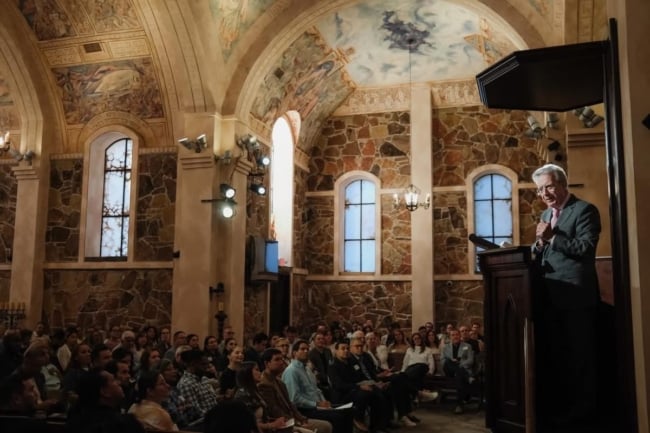
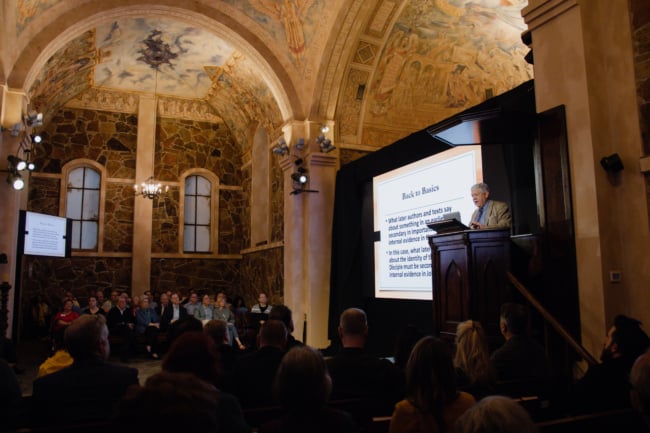
C. S. Lewis: His Significance For Personal Faith and the Ministry of the Church

Lecture

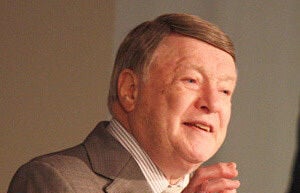
Alister McGrath

Alister McGrath is Senior Research Fellow at Ian Ramsey Centre for Science and Religion, Emeritus Andreas Idreos Professor of Science and Religion, and Emeritus Fellow at Harris Manchester College, University of Oxford.


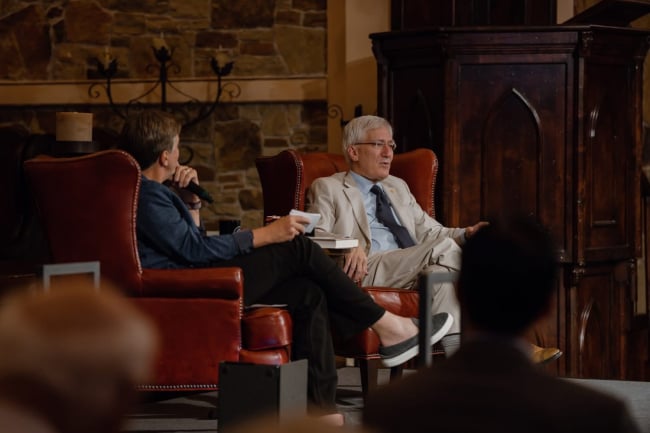
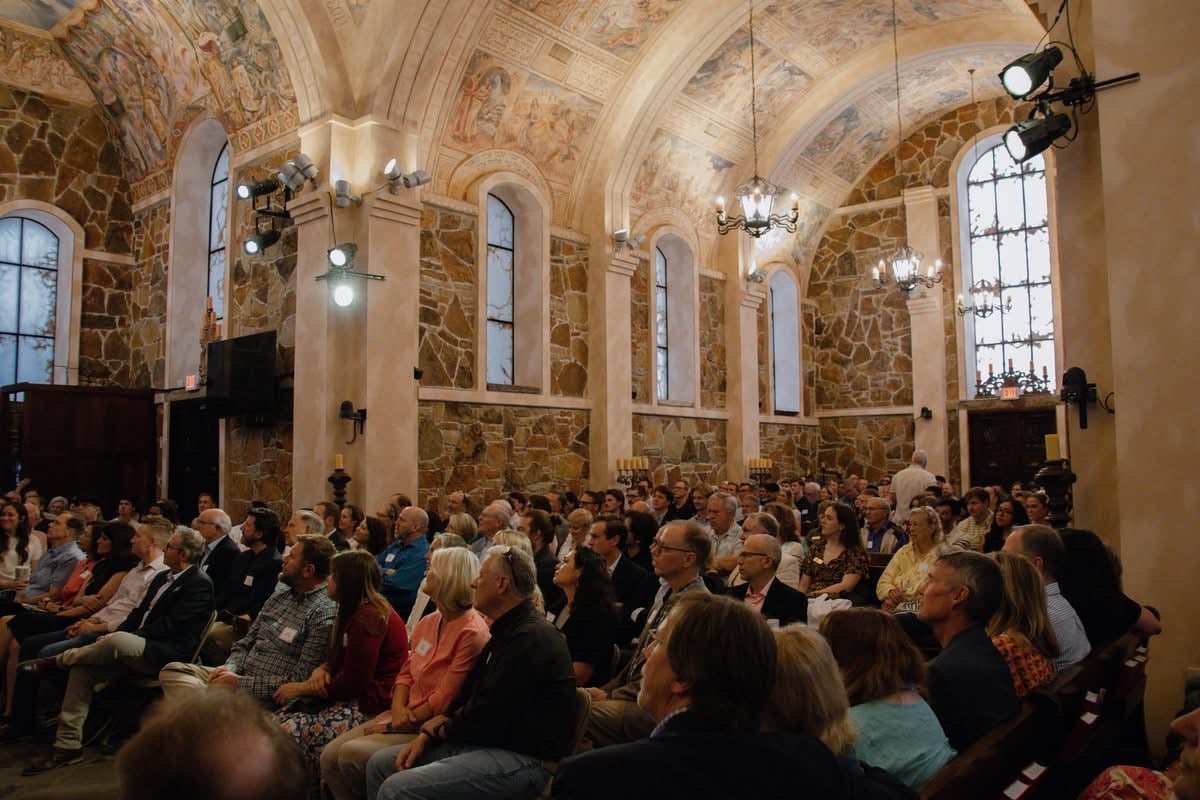
Panel

C. S. Lewis and the Life of Faith

About the Panelists

Alister McGrath is Senior Research Fellow at Ian Ramsey Centre for Science and Religion, Emeritus Andreas Idreos Professor of Science and Religion, and Emeritus Fellow at Harris Manchester College, University of Oxford.

Carolyn Weber earned her DPhil from Oxford University. She is a scholar, author, and professional speaker. She is the author of Surprised by Oxford (Thomas Nelson/Harper Collins) and Sex and the City of God: A Memoir of Love and Longing (IVP)

Keith Johnson is Professor of Theology at Wheaton College. He earned his undergraduate and first Master’s degree from Baylor University and his PhD from Princeton (2008). He has edited, co-edited, and written eight books on various topics including Theology as Discipleship and The Essential Karl Barth: A Reader and Commentary.

Collin Hansen is vice president for content and editor in chief of The Gospel Coalition. He is also the executive director of The Keller Center for Cultural Apologetics. He is a podcaster, an author, and an adjunct professor at Beeson Divinity School in Birmingham, AL.

Additional Resources

NOTE: You can change the cards to show depending upon what the lecturuers have, eg youtube channel, books.

Discover more

1:10
Anti Christian Bias in the Academy and How To Fight It
Ft. George Yancy

American culture has shifted dramatically in the last decade toward stances which are openly hostile to the Christian faith. Views now aggressively promoted in popular and journalistic media, flourished decades earlier only in elite liberal arts faculties. We need an elite generation of Christian academics to feature in tomorrow’s universities, ensuring that a gospel-centered voice informs every conversation.

1:16
Reading the Bible the Right Way Up
Ft. N. T. Wright

Emanuel Tov explains that the Qumran scrolls were produced by highly trained scribes who followed consistent practices in layout, spelling, and correction, revealing an organized scribal culture rather than random copying. These scribal habits help scholars understand how biblical and non-biblical texts were transmitted and preserved in the Second Temple period.

1:22
1:10
Beloved But Known
Ft. Ben Witherington

Emanuel Tov explains that the Qumran scrolls were produced by highly trained scribes who followed consistent practices in layout, spelling, and correction, revealing an organized scribal culture rather than random copying. These scribal habits help scholars understand how biblical and non-biblical texts were transmitted and preserved in the Second Temple period.

1:28
The Mission of God in the Gospel of John
Ft. N.T. Wright

ohn frames his gospel with deliberate echoes of the creation story in Genesis, all the way from ‘in the beginning’ at the very start to the ‘new Eden’ themes in chapter 20. In chapter 1 the focus is on Jesus as the ‘Word made Flesh’, uniquely revealing the glory of God to the world, but in chapter 20 the focus is on the disciples, who are equipped with the Spirit to be, for the world, what Jesus was for Israel (‘As the Father sent me, so I send you’). Picking up from the earlier hints about the Spirit in chapters 7 and 14-16, we glimpse the task of the Church in terms of the rivers of living water (ch. 7) and the holding of the world to account (ch 16). John 20 thus shows how Jesus’ resurrection and ascension, and the gift of his Spirit, launch God’s mission of new creation.

1:22
C.S. Lewis and the Problem of Pain
Ft. Amy Orr-Ewing

C.S. Lewis has had a phenomenal impact on the reception of the Christian faith beyond his own lifetime. His writing on the Problem of Pain has been particularly meaningful for people struggling to reconcile a loving God with this pain filled world. In this session we will explore Lewis’ approach to suffering and ask what we can learn from it today and consider how to develop our own responses to the problem of evil and suffering that connect with the cultural moment we find ourselves in.

Visiting us, to advance your theological study and explore your faith