Skip to content
The Library and Learning Center will be closed Monday, May 25th for Memorial Day.
0:53
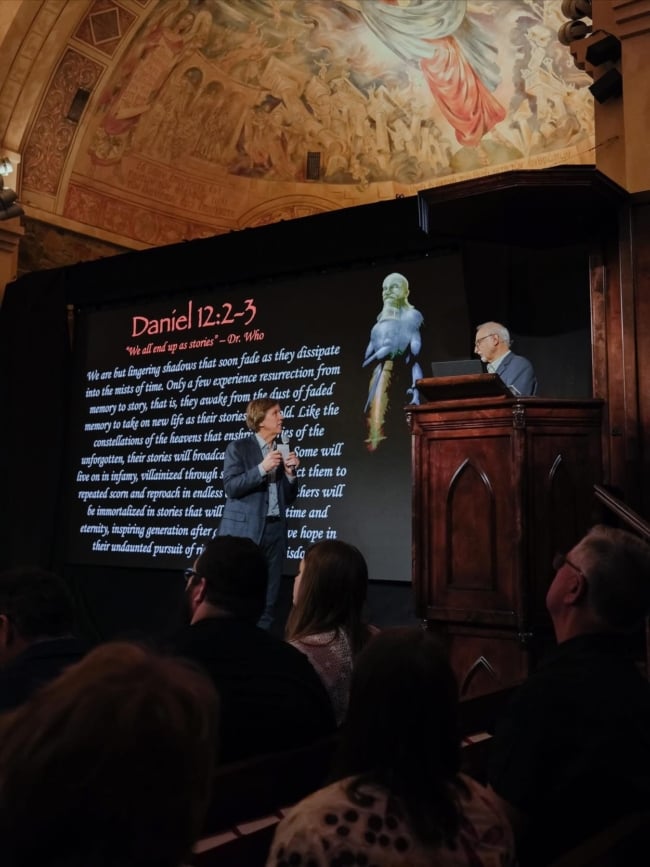
We All End Up As Stories
Ft. John Walton

Daniel 12:2-3 has been at the center of controversy from before the time of Jesus to the present day. Yet these verses had little to do with debates about the resurrection In Jesus’ day or for the early Christians. Who did Daniel suggest will be resurrected? Where will they be resurrected to? Are souls resurrected and exalted among the stars? While these questions are fascinating, Dr. Walton suggests that a close reading of these verses is not about resurrection or exaltation, but pertains to a different sort of legacy.

1:15
Is Christian Love Altruistic? Questions from the Theology of Paul
Ft. John Barclay

Modern notions of altruism (a 19th-century term) have often created a self/other binary, suggesting that any benefit to oneself diminishes benefit to the other. In this framework, one must choose between being selfish or selfless. In Christian theology, Agape has been set against Eros, while in global politics, development aid is praised as disinterested charity—or criticized as exploitation—with the only alternative appearing to be non-intervention. This lecture argues that Paul’s ethics offer another model: one that gives not away from oneself, but into relationship with others, where reciprocity and solidarity enable shared benefit. Love is not only for the other but also with them, reflecting the self-giving love of God in Christ. For Paul, this provides the foundation and shape of a communal ethos within the church and, by extension, beyond it.

1:10
Old Testament Ethical Challenges, the Image of God, and Its Contemporary Relevance
Ft. Paul Copan

Certain Old Testament passages—especially those on warfare and servitude—can raise ethical questions. At first glance, these texts may seem to conflict with the biblical teaching that all humans are made in the image of God (imago Dei). However, a deeper look reveals that this doctrine of human dignity is not diminished by these passages. In fact, the imago Dei continues to be a powerful foundation for human rights, equality, and moral values. Today, these biblical truths are often ignored or redefined. As a result, core ideas like human dignity and equality are at risk of being lost. Gospel-centered Christians are called to respond. We must speak boldly and take action to uphold these values in our modern world.

1:16
AI, Theology, and Human Formation: How Our Tools Should Shape Us
Ft. Reverend Doctor Lyndon Drake

The tools we use, whether material or digital, inevitably shape the people we become. Artificial intelligence, designed to imitate human capacities, now shows remarkable abilities in language, analysis, and synthesis—and even in reading medical images or driving vehicles. Theological reflection invites us to consider how such tools might serve genuine human and Christian formation. This lecture explores how technology, and AI in particular, can be shaped to help shape us well.

1:18
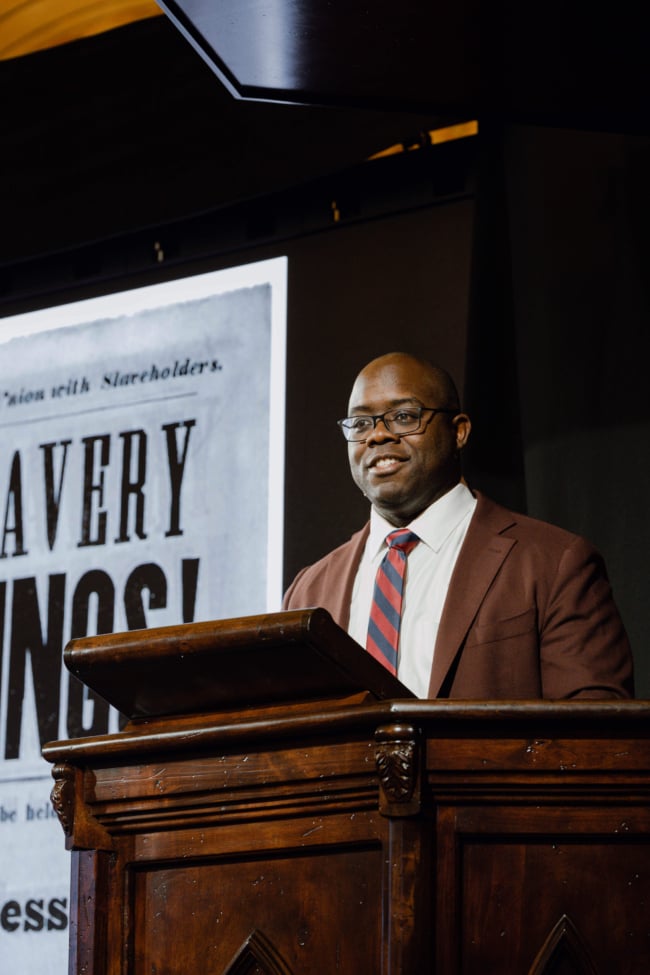
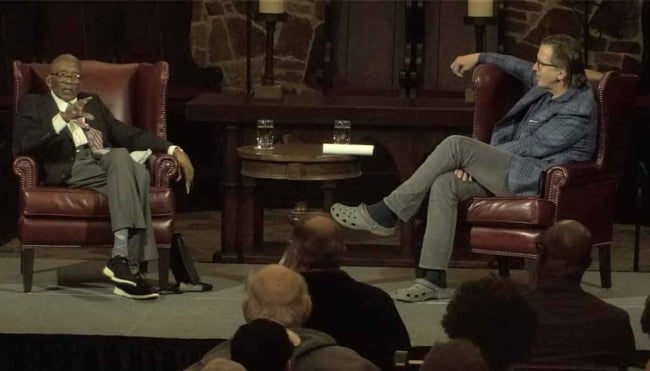
An Evening with Fred Gray, Renown Civil Rights Attorney for Rosa Parks and Martin Luther King Jr.
Ft. Fred Gray

Fred D. Gray is a prominent American civil rights attorney known for his significant contributions to the Civil Rights Movement. He played a pivotal role in landmark cases, including representing Rosa Parks in the Montgomery Bus Boycott and Dr. Martin Luther King Jr. during the Selma to Montgomery marches. As a trailblazer in the legal field, Gray has dedicated his career to fighting for racial justice and equality, leaving an indelible mark on the pursuit of civil rights in the United States.

CorinthPlain- Delphi
1:10:17
N.T. Wright – “A Bit Too Comfortable? Paul’s Challenge to Corinth and to Us”
Ft. N.T. Wright

N.T. Wright challenges modern believers to recognize how comfort and cultural acceptance can dilute true Christian commitment. Using Paul’s message to the Corinthians, he calls the church back to gospel-centered conviction and faithful living.

1:30
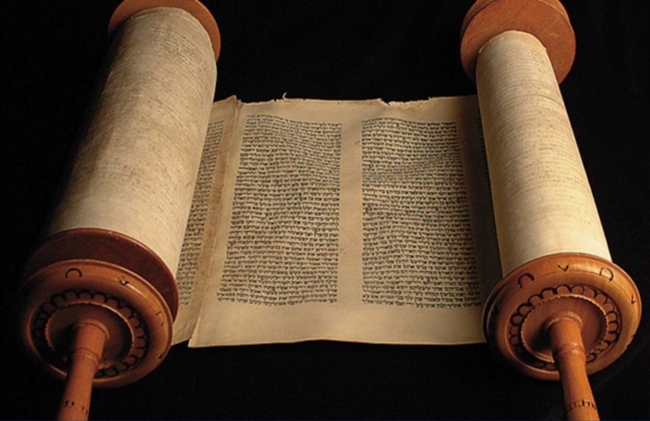
The Scribes of Qumran with Emanuel Tov
Ft. Emanuel Tov

Emanuel Tov explains that the Qumran scrolls were produced by highly trained scribes who followed consistent practices in layout, spelling, and correction, revealing an organized scribal culture rather than random copying. These scribal habits help scholars understand how biblical and non-biblical texts were transmitted and preserved in the Second Temple period.

Visiting us, to advance your theological study and explore your faith